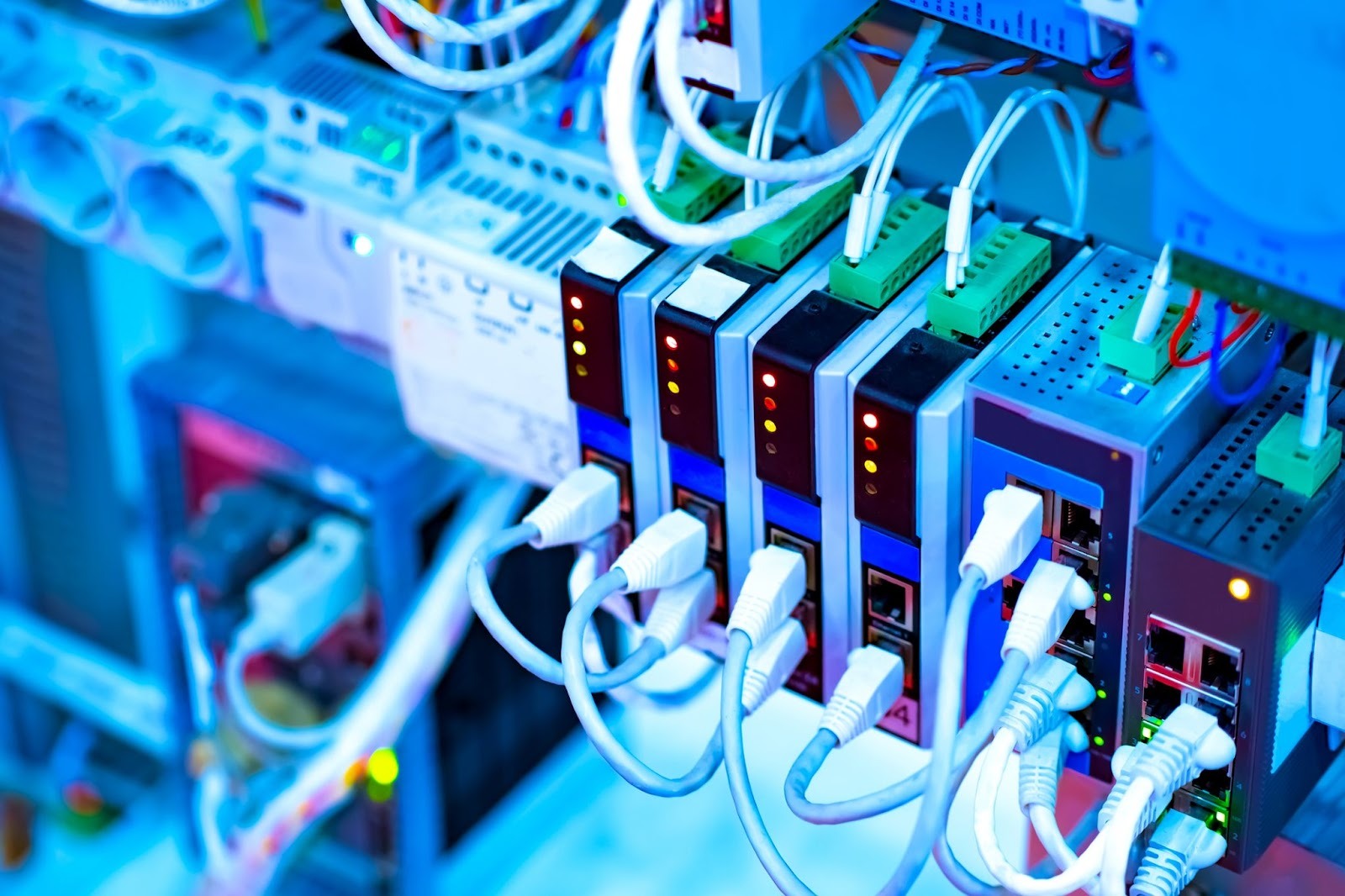
In today’s fast-paced industrial environment, maximizing equipment performance while minimizing capital expenditure is essential. Machine retrofitting offers a practical solution by upgrading existing machinery with modern technology to enhance efficiency, safety, and productivity. This article reviews machine retrofitting, its benefits, common retrofit types, and why working with experienced partners like Panelmatic is critical for success.
What Is Machine Retrofitting?
Machine retrofitting is the process of upgrading legacy industrial machinery by integrating modern components such as advanced controls, drives, or instrumentation. Common retrofit targets such as PLCs, servo motors, and IoT sensors enhance automation, reliability, and data acquisition. Moreover, retrofitting extends the operational lifespan of machinery, improves performance, and ensures continued compliance with current industry standards. This approach is often much more cost-effective than purchasing new equipment. By retrofitting, manufacturers can maintain productivity, reduce unplanned downtime, and adapt quickly to changing production requirements without major capital investments.
Why is Machine Retrofitting Important?
Retrofitting industrial machinery provides several technical and operational benefits, including:
- Cost Savings: Upgrading specific components, such as controls, drive units, and instrumentation, avoids the significant capital investment for new machinery.
- Increased Productivity: Modern automation, precision drives, and optimized controls improve operational speed, accuracy, and batch consistency.
- Improved Safety: Integrating up-to-date safety systems ensures compliance with current regulatory standards and reduces risk.
- Reduced Downtime: Retrofitting resolves inefficiencies and replaces obsolete parts, thus minimizing unexpected outages and enhancing reliability.
- Sustainability: Extending machine lifespan through retrofits supports environmental goals by reducing equipment waste and conserving resources.
Common Types of Machine Retrofitting
Control System Upgrades
Replacing outdated PLCs, control panels, and HMIs with advanced programmable logic controllers improves automation and process precision. This upgrade also allows seamless integration with digital monitoring systems.
Motor and Drive Retrofits
Replacing legacy motors and starters increases energy efficiency and enables more precise speed regulation. Adding variable frequency drives (VFDs) further reduces electrical consumption and lowers maintenance demands.
Sensor and Instrumentation Upgrades
Replacing outdated sensors with high-precision, modern models enables more accurate, real-time monitoring of critical process variables. This upgrade supports predictive maintenance strategies and significantly reduces the risk of unexpected equipment failures.
Safety System Modernization
Replacing outdated emergency stops, safety interlocks, and light curtains with advanced safety technology ensures compliance with OSHA and ISO requirements. These upgrades enhance machine safety functions, thus providing more reliable protection for operators.
Mechanical Upgrades
Replacing worn components such as bearings, gearboxes, couplings, and conveyor belts restores equipment reliability and operational precision. These mechanical upgrades also help extend the lifespan of industrial machinery.
Benefits of Machine Retrofitting
Machine retrofitting is a strategic investment that offers manufacturers a practical way to optimize their operations and assets. Key benefits include:
- Enhanced Performance Without Full Replacement: Upgrades allow machines to achieve higher efficiency and output without the significant costs of replacing entire systems.
- Compliance with Modern Standards: Retrofitting brings legacy equipment up to current safety, quality, and regulatory standards, thus avoiding compliance issues.
- Improved Equipment Reliability: Replacing worn or outdated components reduces the risk of unplanned failures, resulting in more consistent and dependable operation.
- Energy Savings: Modern drives, motors, and controls increase energy efficiency and lower utility expenses.
- Minimal Disruption to Operations: Retrofitting is typically less invasive than a full replacement, minimizing downtime and production interruptions.
Partnering with experienced professionals ensures that retrofitting projects are completed efficiently, delivering long-term returns on investment and sustained productivity.
When Should You Consider a Retrofit?
Consider retrofitting your industrial machinery if you experience:
- Frequent Equipment Breakdowns or Production Delays: Persistent malfunctions, increased maintenance requirements, or recurring downtime may indicate that core machine components is approaching the end of their service life.
- Difficulty Sourcing Parts for Obsolete Machinery: Trouble finding replacement parts due to discontinued components, leading to longer repair times and higher maintenance costs.
- Safety Compliance Challenges: Equipment that no longer meets current OSHA or ISO safety standards, potentially putting employees and your business at risk.
- Increased Energy Consumption and Operational Costs: Noticeable rises in utility bills or maintenance expenses that suggest your equipment is operating inefficiently.
- Inability to Meet Current Production Demands: Struggles to keep up with increased throughput, tight tolerances, or integration requirements for modern manufacturing systems.
Recognizing these signs can help you determine the optimal time to implement retrofitting and maximize the value of your existing equipment.
Machine Retrofitting Process: Step-by-Step
A well-executed retrofitting project follows a clear, systematic approach that maximizes performance while minimizing disruption.
Site Assessment & Equipment Evaluation
Specialists thoroughly inspect all relevant machinery, production processes, and control systems. This analysis identifies equipment condition, operational issues, and technological gaps that define the project scope and upgrade feasibility.
Defining Retrofit Objectives
Once the site assessment is complete, the next step is to set clear goals for the retrofit. Objectives should reflect your operational needs, such as increasing production speed, reducing energy use, improving automation, or meeting updated safety standards. Defining specific goals at this stage helps guide upgrade decisions and makes it easier to evaluate project success.
Custom Retrofit Design
Engineers create a tailored solution, specifying the control, mechanical, and electrical upgrades best suited to your facility. Moreover, careful planning ensures new technology integrates seamlessly with existing operations and provides scalability for future needs.
Installation & Integration
Upgrades are installed by qualified technicians with minimal impact on production. New control systems, drives, sensors, and safety devices are integrated and meticulously configured to fit with current workflows and equipment.
Testing & Commissioning
Comprehensive functional testing validates that all retrofits perform as intended and meet safety, reliability, and regulatory standards. Any necessary adjustments are made before systems are brought fully online.
Training & Support
Operators and maintenance personnel are trained on new systems and provided with detailed documentation. Ongoing technical support ensures smooth adoption, effective troubleshooting, and long-term performance.
Best Practices for Successful Retrofitting
To maximize the benefits of your machine retrofit project, follow these best practices:
- Partner with Experienced Experts: Collaborate with reputable firms such as Panelmatic to benefit from proven industry experience and technical know-how. Their expertise ensures each step is managed efficiently and in line with best standards.
- Prioritize Scalability: Choose solutions that are flexible and allow for future upgrades or expansions. Scalable designs protect your investment and help keep your systems current as technology evolves.
- Maintain Safety Compliance: Integrate safety requirements throughout the entire retrofitting process. Make sure all upgrades meet or exceed OSHA, ISO, or relevant local standards to protect your team and facility.
- Thorough Documentation: Keep detailed records of all system changes and component upgrades. Comprehensive documentation simplifies ongoing maintenance and troubleshooting.
- Plan for Minimal Downtime: Use strategies such as phased installation or off-site fabrication of panels to minimize production interruptions. Effective scheduling and project management help ensure continuous operation during the retrofit.
Why Choose Panelmatic for Machine Retrofitting?
At Panelmatic, we specialize in retrofitting industrial machinery with modern control systems, electrical panels, and advanced safety enhancements. Our skilled team designs and fabricates customized solutions that match your unique process requirements and ensure full compliance with industry standards. From the initial assessment through to final commissioning, we are committed to delivering high-quality workmanship, minimizing downtime, and ensuring long-term performance.
Machine retrofitting is a cost-effective way to bring your facility up to date while making the most of your existing infrastructure. Whether you are upgrading control systems, drives, or safety mechanisms, the right retrofit can extend equipment life and significantly improve operational efficiency.
Contact Panelmatic today to discuss your retrofitting needs and discover how we can help optimize your industrial assets for the future.